Process of Making Synterra Surfaces

May 4, 2026

Ever wondered how our Synterra Surfaces are created?


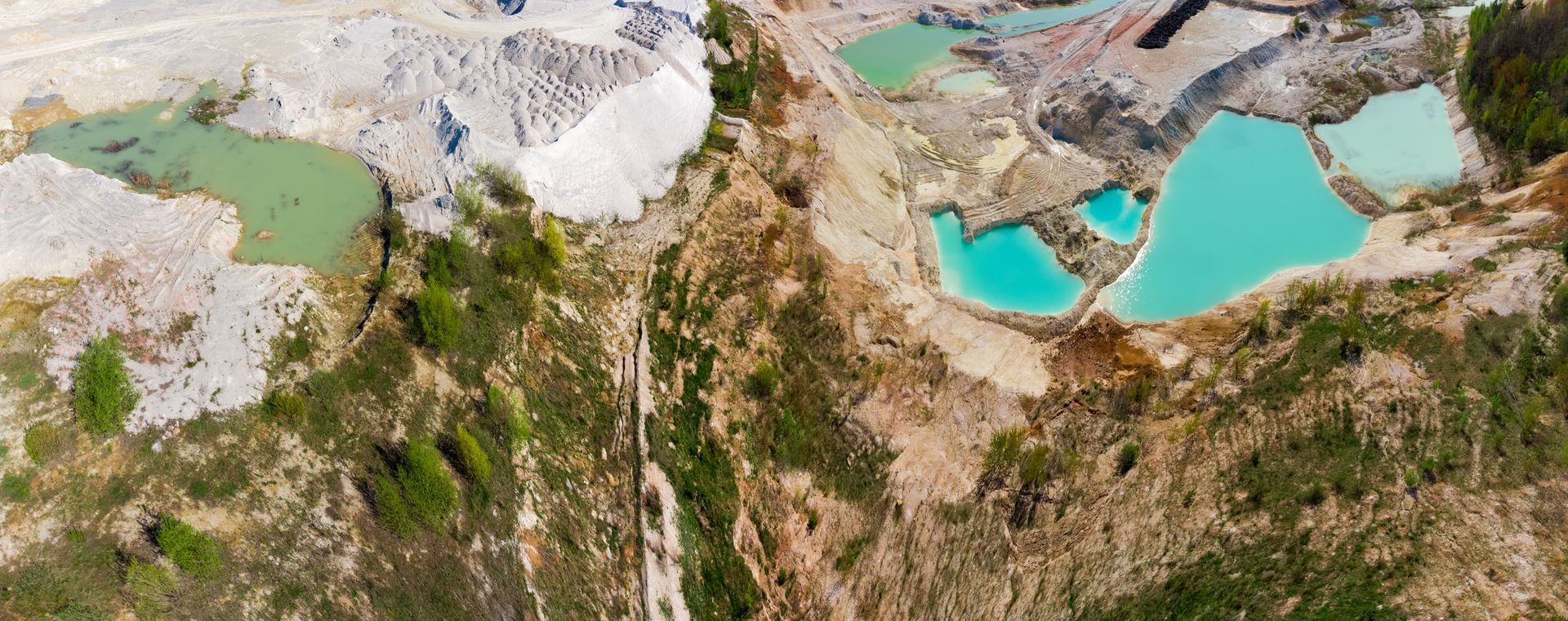
Synterra Surfaces are crafted differently from traditional engineered stone or porcelain. Made from natural clay and fired at low temperatures, each slab is created through a controlled, gentle manufacturing process that prioritises durability, stability, and beautiful design.

Here’s an inside look at how Synterra claystone slabs are made — step by step.


1. Creating the Product: Refining the Raw Clay


The journey begins with raw clay.
The clay is carefully
refined, filtered, and processed into a fine clay powder, removing impurities and preparing it for transformation.

Once refined, colour pigments are blended into the clay, allowing us to create the full range of Synterra Surface colour collections.
Every shade is designed to replicate the organic beauty of natural stone — without the silica or stress of traditional materials.


2. Manufacturing the Slab: Forming the Claystone Base


After the pigments and clay have been combined, the mixture becomes the base of our Synterra claystone.

From here, the coloured claystone is:

  • Poured and moulded into slab form
  • Shaped and refined using both specialised machinery and detailed hand‑work
  • Designed individually, giving every slab its own natural character and veining

This blend of technology and craftsmanship ensures each slab is consistent in performance while still having unique visual depth.


3. Curing the Slabs: Slow, Gentle, and Controlled


Once shaped, the slabs enter the curing stage — the key to Synterra’s strength.

Unlike materials that are flash‑heated at extremely high temperatures, Synterra Surfaces are:

  • Baked slowly at low temperatures (105–110°C)
  • Compacted at up to 1700°C during manufacture, then
  • Cured for 12–24 hours to prevent internal stress
  • Cooled for a similar period to avoid cracking or tension

This gentle curing cycle is essential.
By heating the slabs slowly and cooling them just as gradually, the claystone develops durability and structural stability without brittleness.


4. Final Finishes: Polished, Protected, and Ready for Installers


When fully cured, each slab undergoes its finishing stages:

  • Quality checking for any imperfections
  • Polishing to the correct finish (matte, textured, or soft sheen depending on the collection)
  • Cleaning and sealing
  • Wrapped with a protective coating for safe transport and storage

Once complete, the slabs are ready for fabrication — cut, shaped, and installed by stone professionals around Queensland.


A Better Way to Build With Stone

Synterra Surfaces are created with performance, sustainability, and installer safety in mind.
From raw clay to final slab, every step is designed to deliver a strong, 0% silica surface that looks and feels like natural stone — without the limitations of traditional materials.
March 29, 2026
How to Choose the Right Stone Benchtop for Your Home (Australia 2026 Guide)
February 25, 2026
If you're planning a kitchen renovation in Australia in 2026, one thing is certain; stone benchtops remain one of the most searched and in-demand features. Whether homeowners search terms like “best stone benchtops Australia 2026,” “porcelain vs granite benchtops,” “zero silica stone benchtops,” or “modern kitchen benchtop trends,” the same truth keeps popping up: stone surfaces continue to dominate Australian kitchen design for durability, sustainability, and style. Why Stone Benchtops Are Still Australia’s Top Choice in 2026 Stone benchtops remain incredibly popular because they handle Australia’s busy kitchen lifestyle, heat, scratches, spills, and constant use. Homeowners value their durability, heat resistance, low-maintenance care, and timeless aesthetic. 2026’s Most Popular Stone Benchtop Materials: Zero-Silica Engineered Alternatives These new options offer the same modern look without the health risks. Zero-Silica alternatives such as recycled glass, engineered claystone and mineral surfaces are making a comeback. Porcelain & Sintered Stone Following the national ban on high-silica engineered stone, porcelain and sintered stone have become leading recommendations in Australian kitchens. Natural Granite Granite continues to be a timeless favourite, celebrated for its unique veining, strength, and heat resistance. Marble Marble is still the go-to for homeowners wanting a luxury finish and standout visual feature. Top Stone Benchtop Trends in 2026 - Waterfall edges - Matching stone splashbacks - Warm, earthy tones - Slim benchtop profiles What’s Out in 2026? - High-gloss cabinetry - Outdated laminate - High-silica engineered stone With safety reforms, innovative materials, and an explosion of modern textures and colours, stone benchtops in 2026 offer more choice than ever before. Whether you're renovating to modernise your home, add value, or simply create a beautiful, durable kitchen, there’s a stunning stone option to suit every style and budget, stay posted for our next blog on “How to choose the right Stone for your home?”
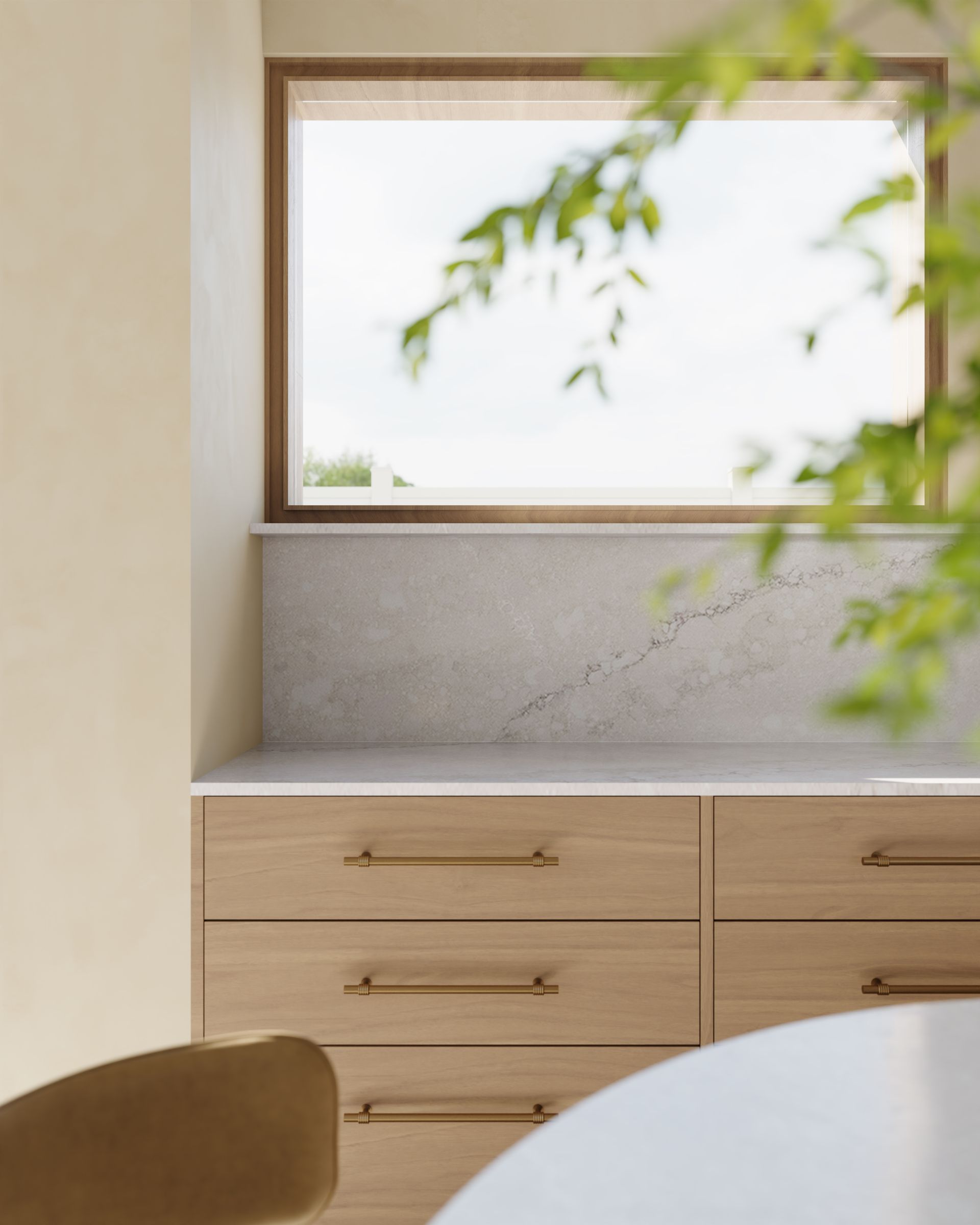
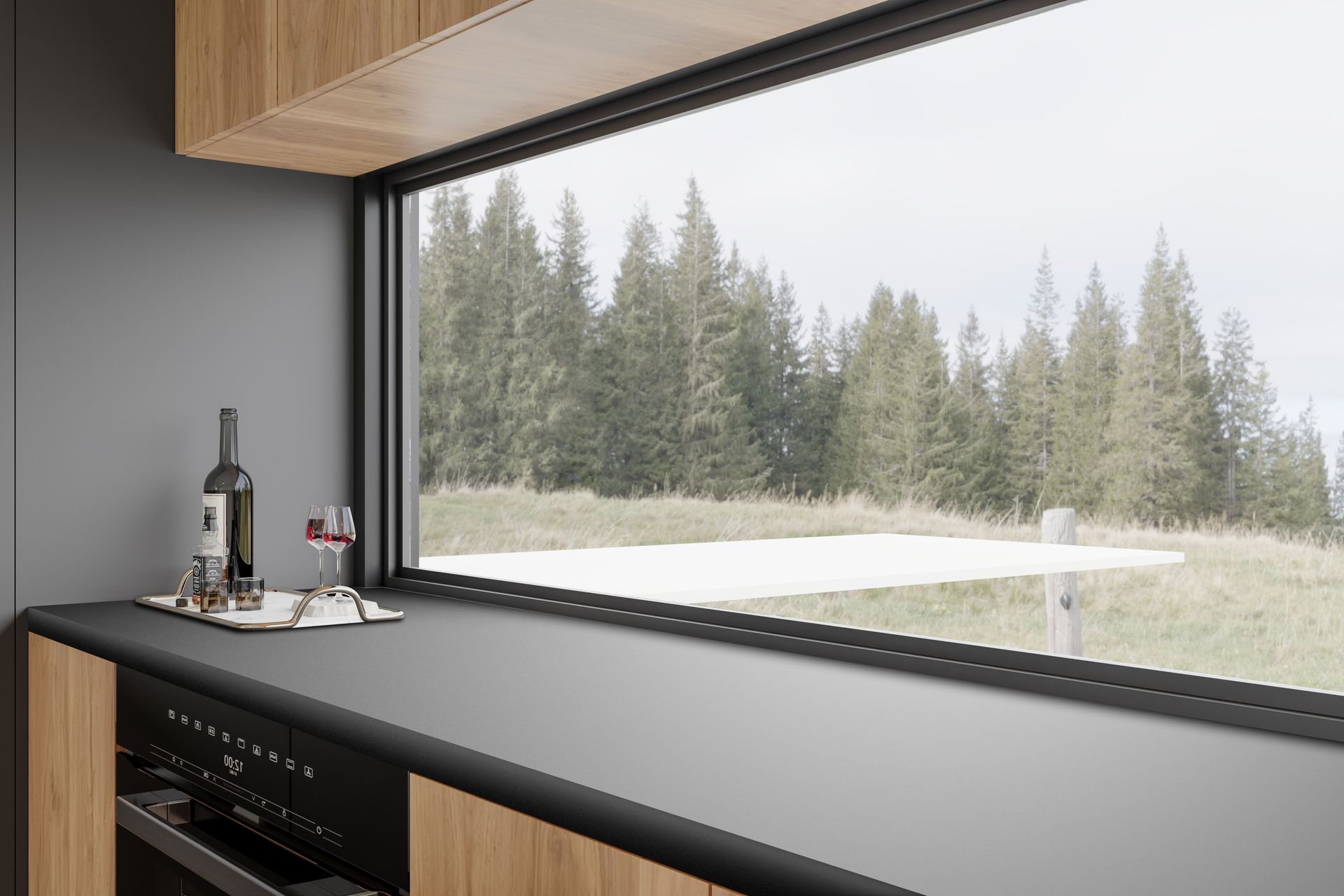
Kitchen with a view: black countertop, oven, wooden cabinets, window overlooking a forest and a table.
November 20, 2025
Compare polished vs. leathered stone finishes for benchtops at Better Stone, Sunshine Coast. Contact 0427 238 837 to find the right slab for your project.
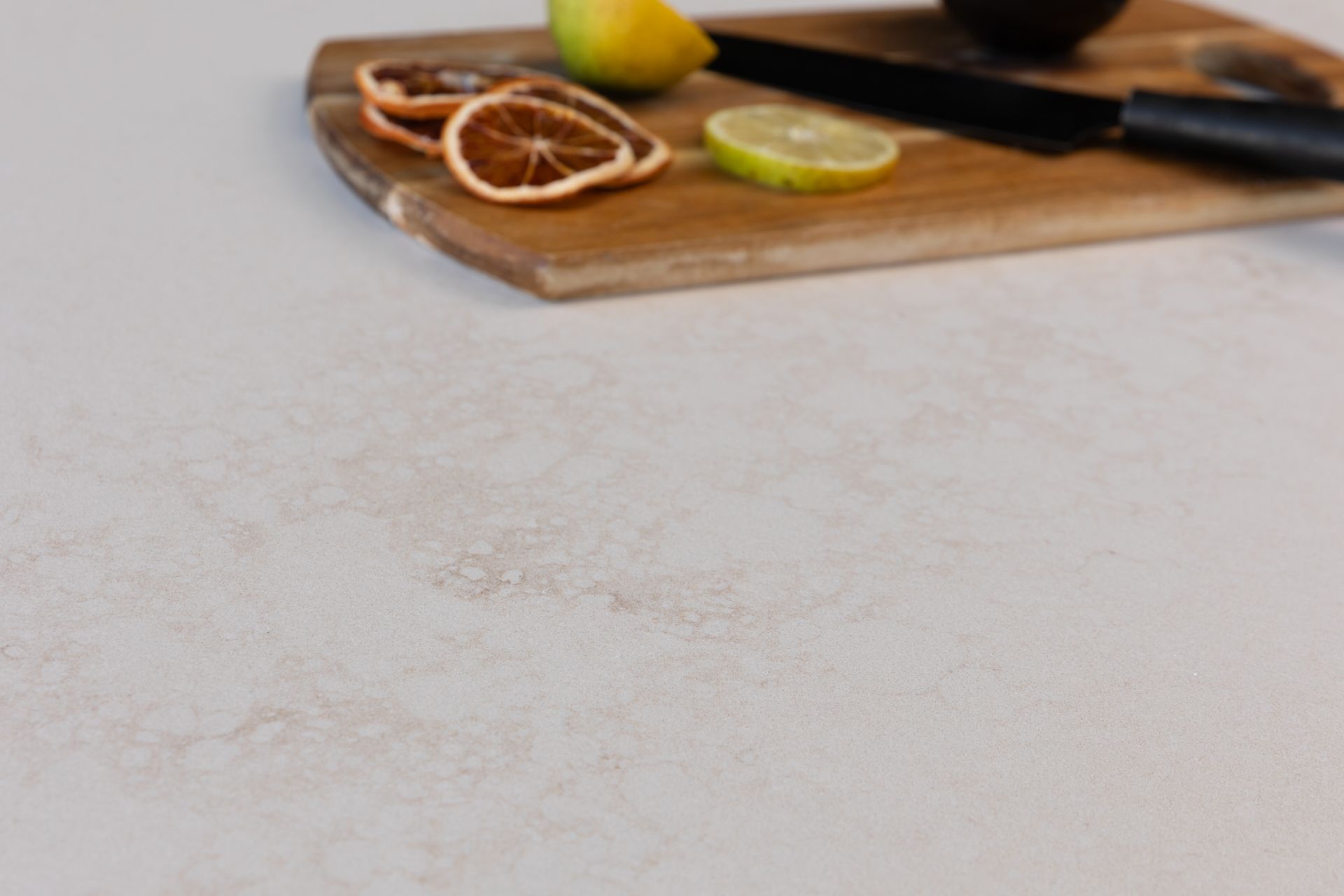
Wooden cutting board with fruit slices and a knife.
November 20, 2025
Why Choose Full-Bodied Stone over Printed Surfaces.
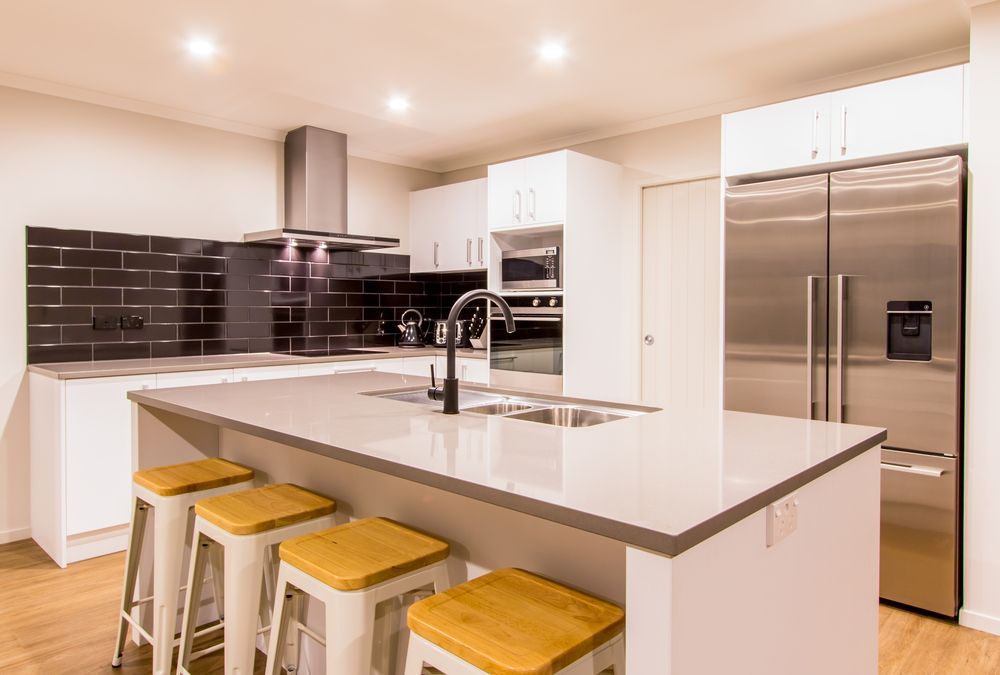
Kitchen With White Cabinets — Better Stone in Caloundra West, QLD
June 23, 2025
Discover why 0% silica stone slabs are safer for benchtops. Call Better Stone on the Sunshine Coast on 0427 238 837 for more or request supply details.